Finding a trustworthy vinyl siding contractor near you is the most efficient way to upgrade your home’s curb appeal, boost energy efficiency, and protect your exterior from the elements—all without the hassle of a DIY project. By partnering with a local professional, you benefit from their familiarity with regional climate challenges, building codes, and material suppliers, ensuring a smooth installation that meets both aesthetic and performance goals. For an in‑depth look at the latest trends, costs, and energy‑saving advantages, check out our comprehensive 2026 vinyl siding guide.
Why Local Vinyl Siding Contractors Matter
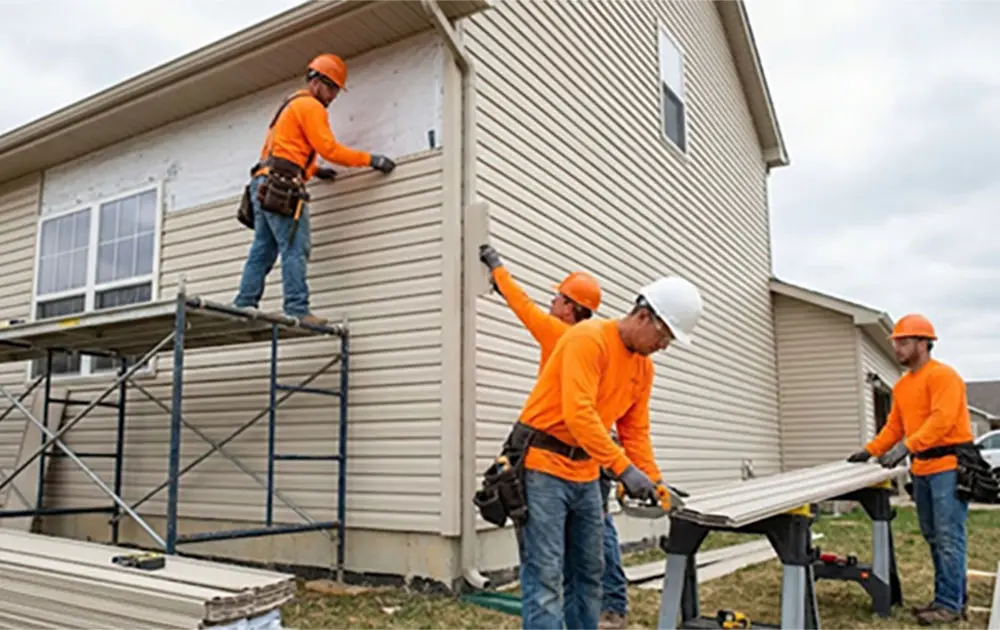
When you search “vinyl siding contractors near me,” you’re not just looking for any installer—you’re seeking a team that understands the nuances of your neighborhood. Local contractors typically:
- Know the prevailing weather patterns, allowing them to recommend siding profiles that resist moisture and UV degradation.
- Maintain relationships with regional suppliers, often securing bulk discounts that lower your overall vinyl siding installation cost.
- Hold the proper permits and are familiar with city or county building codes, reducing the risk of costly re‑work.
According to the 2026 Home Builder Survey by the National Association of Home Builders (NAHB), 78 % of homeowners who hired locally based contractors reported higher satisfaction levels compared to those who used out‑of‑state firms.
How to Find Reliable Vinyl Siding Contractors Near You
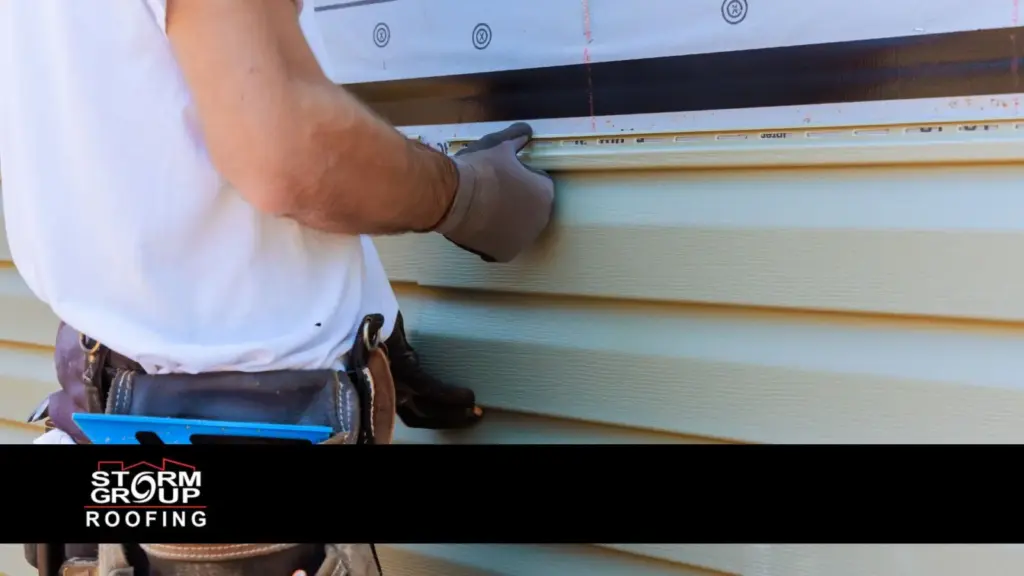
Start with a systematic approach rather than relying solely on the first Google result. Below is a step‑by‑step method that combines online research, community feedback, and verification of credentials.
1. Conduct a Targeted Online Search
Use specific phrases such as “best vinyl siding contractors in [Your City]” or “residential vinyl siding specialists near me.” The added locality helps filter out national chains that may lack regional expertise.
2. Review Portfolios and Customer Testimonials
Reputable contractors showcase before‑and‑after galleries on their websites. Look for projects that match the architectural style of your home, whether it’s a Craftsman bungalow or a modern ranch.
3. Check Licensing, Insurance, and Certifications
In 2026, the International Association of Certified Home Inspectors (InterNACHI) reported a 12 % increase in claims related to uninsured siding work. Verify that the contractor holds a valid state license, general liability insurance, and workers’ compensation coverage.
4. Request Detailed Written Estimates
A thorough estimate breaks down labor, materials, disposal fees, and any additional services such as trim replacement or moisture barrier installation. This transparency prevents hidden costs later on.
5. Leverage Local Referral Networks
Ask neighbors, real‑estate agents, or your local home‑owners association for recommendations. Community‑based forums like Nextdoor often feature recent experiences with siding contractors, providing candid feedback.
Key Questions to Ask Before Hiring
Even after narrowing down candidates, a short interview can reveal their professionalism and suitability for your project. Consider asking:
- What type of vinyl siding do you recommend for my climate, and why?
- Can you provide references from recent residential projects?
- Do you offer a warranty on both materials and workmanship? What does it cover?
- How do you handle unforeseen issues such as hidden rot or structural repairs?
- Will you coordinate with other trades (e.g., electricians, roofing crews) if needed?
Understanding Costs and Budgeting
In 2026, the average national price for vinyl siding installation ranged from $5.50 to $8.75 per square foot, according to data from the National Association of Home Builders (NAHB). However, local market conditions can shift these figures dramatically.
Cost Breakdown
- Materials: High‑quality vinyl siding panels typically cost $2.00–$3.50 per square foot.
- Labor: Skilled installers charge $3.00–$5.00 per square foot, depending on project complexity.
- Prep Work: Removing old siding, repairing sheathing, and installing a weather‑resistant barrier can add $0.50–$1.00 per square foot.
- Disposal & Cleanup: Expect a flat fee of $300–$600 for hauling away debris.
For a 2,000‑square‑foot home, the total project cost could fall between $11,000 and $17,500. To keep expenses in check, request multiple quotes and compare them against the scope of work. Remember that the lowest bid isn’t always the best value; factor in warranty coverage and contractor reputation.
Energy‑Saving Benefits of Modern Vinyl Siding
Vinyl siding has evolved from a purely decorative cladding to a component that contributes significantly to a home’s energy performance. The 2026 Energy Efficiency Report by the U.S. Department of Energy (DOE) highlights that homes with insulated vinyl siding reduce heating and cooling loads by up to 12 %.
How It Works
Insulated vinyl siding incorporates a foam backing—usually expanded polystyrene (EPS) or extruded polystyrene (XPS)—which adds an extra R‑value of 1.5 to 2.0 per inch. This barrier reduces thermal bridging, especially around windows and doors.
Moreover, many manufacturers now offer low‑emissivity (low‑e) finishes that reflect infrared radiation, keeping interiors cooler in summer and retaining warmth in winter. When paired with proper attic insulation, homeowners often see annual utility savings of $150–$300, according to the Energy Star program.
Common Pitfalls and How to Avoid Them
Even seasoned homeowners can fall into traps that compromise the longevity of their siding. Below are typical mistakes and proactive steps to prevent them.
- Skipping the Moisture Barrier: Omitting housewrap or a weather‑resistive barrier invites water infiltration. Ensure the contractor installs a certified product such as Tyvek® or 3M™.
- Choosing the Wrong Thickness: Thinner panels (0.025‑0.035 in) are more prone to denting and warping. Opt for 0.040 in or thicker for added durability.
- Improper Flashing: Poorly sealed flashings around windows and doors lead to leaks. Verify that the installer follows the American Architectural Manufacturers Association (AAMA) guidelines.
- Neglecting Trim Integration: Inconsistent trim colors or materials create visual discord and potential gaps. Coordinate trim choices early in the design phase.
Case Study: A Homeowner’s Experience in Austin, Texas
Jane Miller, a homeowner in Austin, replaced her aging wood clapboard with insulated vinyl siding in March 2026. She hired a local contractor after following the steps outlined above.
- Initial Situation: The house suffered from moisture damage and high cooling bills ($260 average monthly).
- Solution: The contractor installed 0.040‑in insulated vinyl siding with a Tyvek® housewrap and upgraded the front‑door trim.
- Outcome: Within six months, Jane’s cooling costs dropped to $190 per month, and the siding showed no signs of fading or warping after a severe summer thunderstorm.
- Key Takeaway: Selecting a contractor who understood Austin’s humidity and heat was crucial to achieving both aesthetic and energy‑efficiency goals.
Jane’s story underscores the importance of local expertise—something you’ll find highlighted in our 2026 vinyl siding guide where we discuss regional material performance.
FAQ
How long does a typical vinyl siding installation take?
For an average single‑family home, the process usually spans 5‑7 business days, including removal of old siding, preparation, and final cleanup.
Do vinyl siding contractors provide warranties?
Most reputable installers offer a manufacturer’s warranty on the siding (typically 20‑30 years) and a separate workmanship warranty ranging from 1 to 5 years. Always obtain the warranty terms in writing.
Can I install vinyl siding myself to save money?
While DIY installation can reduce labor costs, it often leads to mistakes such as improper sealing or misaligned panels, which can void manufacturer warranties and cause long‑term damage. Professional installation ensures compliance with AAMA standards and protects your investment.
Is vinyl siding environmentally friendly?
Modern vinyl siding is recyclable, and many manufacturers use recycled content in their products. The U.S. EPA notes that recycling vinyl reduces landfill waste and conserves resources.
What maintenance does vinyl siding require?
Routine cleaning with a garden hose or mild detergent, inspecting for cracks after severe weather, and repainting trim as needed are sufficient to keep the siding looking fresh for decades.
Putting It All Together: Your Action Plan
Now that you understand the benefits, costs, and selection criteria for vinyl siding contractors near you, follow this concise checklist to move forward confidently:
- Search using location‑specific keywords and compile a shortlist of 3–5 contractors.
- Verify licenses, insurance, and certifications; request proof of both.
- Examine portfolios and request at least two recent references.
- Obtain written, itemized estimates that include material type, insulation R‑value, and warranty details.
- Ask the key questions listed earlier to gauge professionalism.
- Review and compare offers, prioritizing value over price alone.
- Sign a contract that outlines project timeline, payment schedule, and cleanup responsibilities.
- Schedule a pre‑installation walkthrough to confirm material colors and trim selections.
- Enjoy the transformation—enhanced curb appeal, lower energy bills, and peace of mind.
By investing time in the selection process, you ensure that your home receives the quality workmanship it deserves while unlocking the energy‑saving potential highlighted in our Vinyl Siding 2026 Guide. Whether you’re upgrading an older property or building a new one, a reliable local contractor is the cornerstone of a successful siding project.