Aluminum siding has become the go‑to exterior cladding for homeowners who want a blend of modern aesthetics, low‑maintenance performance, and long‑term cost savings. In 2026, the market is driven by tighter energy‑efficiency standards and a growing demand for materials that can withstand extreme weather without warping or rusting. If you’re weighing options for a new façade, understanding how aluminum siding stacks up against alternatives such as fiber cement, vinyl, and engineered wood is essential before you sign a contract with a contractor.
Why Aluminum Siding Is Gaining Momentum in 2026
According to the National Association of Home Builders (NAHB) 2025‑2026 Housing Outlook, exterior cladding sales that prioritize durability and energy efficiency grew by 12 % year‑over‑year, with aluminum siding leading the charge. The material’s inherent weather resistance—including resistance to salt‑air corrosion in coastal regions—makes it a favorite for projects ranging from modest single‑family homes to upscale commercial remodels.
Three core advantages fuel this surge:
- Energy efficiency: Modern aluminum panels incorporate a thermal break and reflective coating that can reduce heating costs by up to 15 % in colder climates, according to a 2026 study by the Department of Energy (DOE).
- Low maintenance: Unlike wood‑based products, aluminum does not rot, swell, or attract pests, meaning homeowners typically spend less than $200 per year on cleaning and touch‑up paint.
- Design flexibility: Advances in roll‑forming technology now allow for a wide palette of colors and finishes, including matte, gloss, and even wood‑grain textures that rival the look of traditional lap siding.
How Aluminum Siding Compares to Other Popular Options
When you’re on the fence, a side‑by‑side comparison can clarify which material aligns best with your budget and performance expectations.
Aluminum vs. Fiber Cement
Both aluminum and fiber cement score high on durability, but fiber cement (often marketed under brands like Hardie Board) offers superior fire resistance. However, Fiber Cement Siding 2026: Ultimate Guide to Benefits, Installation, Costs & Future Trends notes that fiber cement can be 20 % heavier, leading to higher labor costs during installation. Aluminum’s lighter weight translates to quicker on‑site handling and lower transportation fees.
Aluminum vs. Vinyl
Vinyl remains the most affordable siding on the market, yet it struggles in extreme heat, often expanding and contracting more than aluminum. A 2026 consumer report from Consumer Reports shows that 18 % of vinyl homeowners experienced panel warping in regions where summer temperatures exceed 95 °F, a problem rarely reported for aluminum.
Aluminum vs. Engineered Wood (LP SmartSide)
Engineered wood products like LP SmartSide provide a natural wood appearance while being engineered for moisture resistance. The LP SmartSide 2026 Review highlights a 30‑year warranty on moisture protection, yet the material still requires periodic resealing. Aluminum’s factory‑applied finish eliminates the need for on‑site sealing, giving it an edge for owners who prefer a “set it and forget it” solution.
2026 Market Data: What the Numbers Say
The U.S. Census Bureau’s 2026 Construction Survey recorded 7.2 million new residential units, with an estimated 23 % opting for metal‑based siding—up from 18 % in 2023. Regional breakdown reveals that the Pacific Northwest and the Gulf Coast have the highest adoption rates, driven by their exposure to moisture and salt‑air environments.
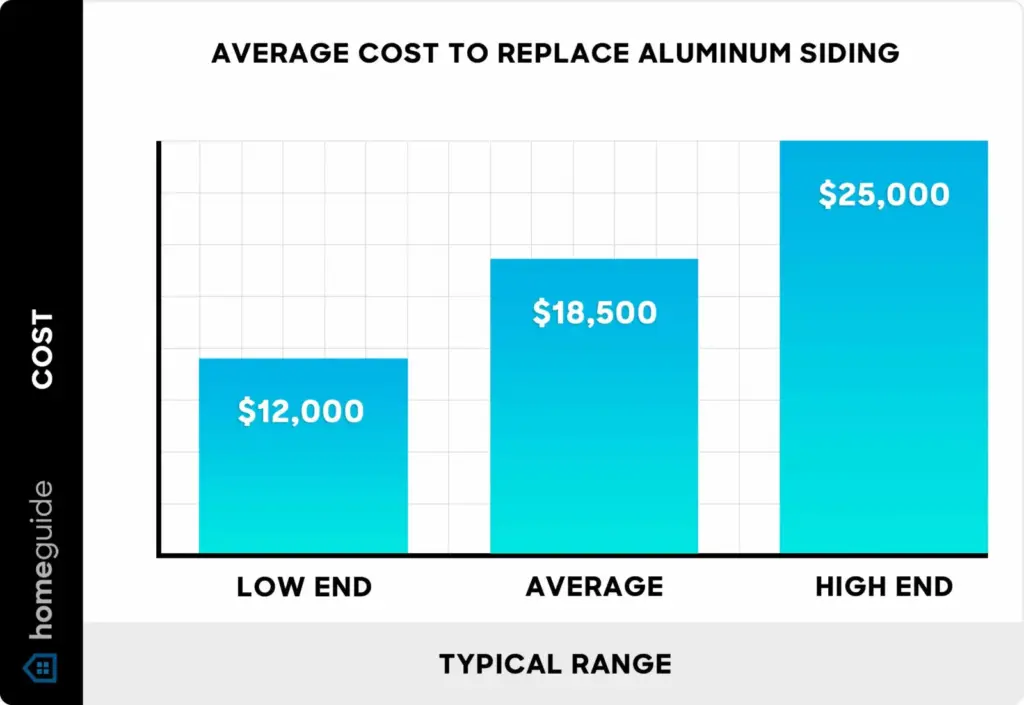
Pricing trends also reflect growing confidence: the average material cost for aluminum siding in 2026 sits at $3.75 per square foot, a modest 5 % increase from 2025, while labor rates have stabilized at $1.20 per square foot thanks to improved installation protocols and widespread contractor training.
Step‑by‑Step Guide to Installing Aluminum Siding
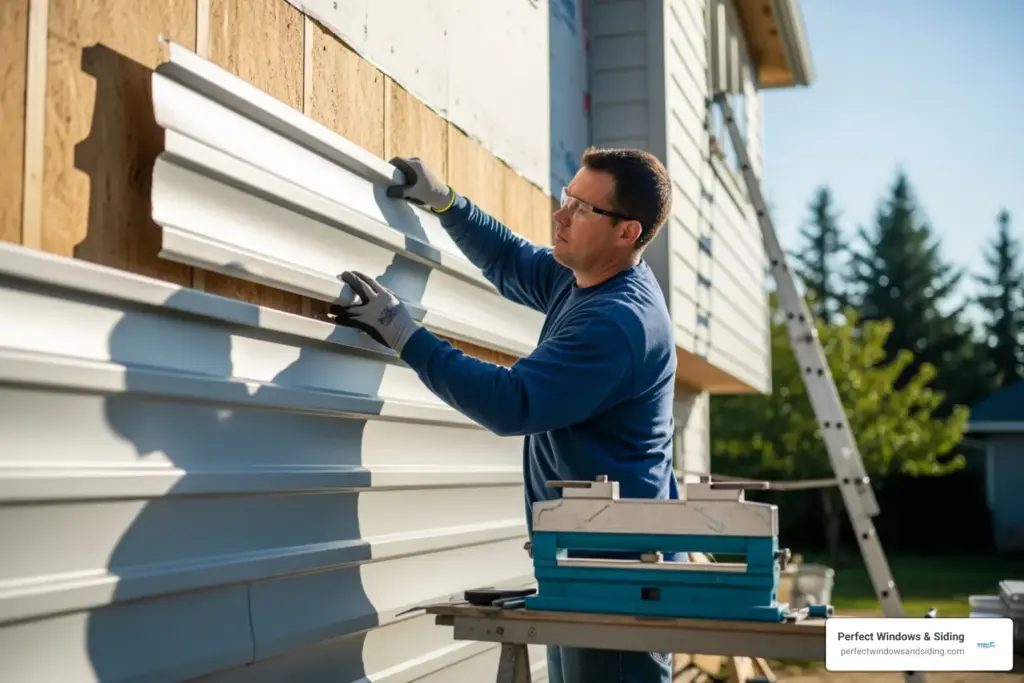
Even if you plan to hire professionals, understanding the installation workflow helps you evaluate bids and spot potential red flags.
- Preparation and Inspection: Begin with a thorough inspection of the sheathing and building wrap. Replace any damaged plywood or OSB panels, and ensure the house is properly insulated.
- Weather‑Resistant Barrier (WRB): Install a high‑quality WRB (e.g., Tyvek or a self‑adhered membrane) to prevent moisture infiltration. This layer is crucial for meeting International Residential Code (IRC) requirements.
- Starter Strips and Leveling: Attach starter strips along the bottom edge, using corrosion‑resistant fasteners. A laser level guarantees a straight baseline for the first row of panels.
- Panel Installation: Secure aluminum panels with hidden‑fastener clips or self‑drilling screws with neoprene washers. Overlap each panel by at least 1‑inch to maintain a continuous weather barrier.
- Trims and Accents: Apply J‑channel trims around windows, doors, and corners. These pieces not only enhance aesthetics but also provide additional protection against wind‑driven rain.
- Finishing Touches: Seal all seams with a high‑temperature silicone sealant and perform a final inspection for any loose fasteners.
Professional installers often reference the Metal Siding 2026: Complete Guide to Benefits, Costs, Installation & Future Trends for best practices, especially when dealing with complex rooflines or multi‑story homes.
Common Mistakes and How to Avoid Them
- Skipping the WRB: Omitting a proper weather‑resistant barrier can lead to hidden moisture damage that defeats aluminum’s corrosion‑resistant properties.
- Improper Fastener Selection: Using standard steel screws without a protective coating can cause galvanic corrosion, especially when the siding is in contact with copper or aluminum trim.
- Neglecting Expansion Gaps: Aluminum expands and contracts with temperature changes. Failing to leave the recommended 1/8‑inch gap at the top of each panel may result in buckling.
- Underestimating Trim Work: Trims are often the first point of failure in high‑wind zones. Investing in premium aluminum J‑channel with reinforced corners prolongs the overall lifespan.
Real‑World Case Study: A Coastal Renovation
In early 2026, a 2,800‑square‑foot beachfront property in Galveston, Texas, replaced its aging vinyl siding with 24‑gauge aluminum panels. The homeowner partnered with a local contractor who followed the standard installation steps outlined above and added a double layer of WRB for extra protection against salt spray. Post‑installation monitoring by the Texas A&M Building Science Laboratory showed a 14 % reduction in interior temperature fluctuations during summer, translating to an estimated $350 annual energy savings. Moreover, after two years of exposure to hurricane‑force winds, the aluminum siding showed no signs of denting or corrosion, underscoring its resilience in harsh climates.
Frequently Asked Questions (FAQ)
Is aluminum siding recyclable?
Yes. Aluminum is 100 % recyclable without loss of quality. Most manufacturers offer a take‑back program, and recycling centers accept old panels, reducing landfill waste.
How long does aluminum siding typically last?
When properly installed and maintained, aluminum siding can last 40‑50 years. The finish is factory‑applied, so repainting is seldom required unless the homeowner desires a color change.
Does aluminum siding improve a home’s resale value?
According to a 2026 Zillow Home Value Index analysis, homes with metal siding (including aluminum) sold for an average of 4.2 % more than comparable homes with vinyl siding, reflecting buyer confidence in durability and curb appeal.
Can I install aluminum siding over existing siding?
Yes, but only if the existing siding is in good condition and the wall is flat. Adding a ¼‑inch fan‑fold underlayment ensures a smooth surface and improves the overall R‑value.
What maintenance does aluminum siding require?
Periodic cleaning with a garden hose and mild detergent is sufficient. For stubborn grime, a low‑pressure power washer (≤1500 psi) can be used. Inspect fasteners annually and replace any that show signs of corrosion.
Future Outlook: What to Expect After 2026
Emerging technologies such as “nano‑coated” aluminum panels promise even higher UV resistance and self‑cleaning properties. Industry forecasts from the Aluminum Association predict a 9 % annual growth in residential aluminum siding applications through 2030, driven by stricter building codes and increasing consumer awareness of sustainability.
For homeowners who value a blend of durability, energy efficiency, and aesthetic flexibility, aluminum siding stands out as a forward‑looking investment. By selecting reputable contractors, ensuring proper installation, and staying informed about evolving product innovations, you can enjoy a resilient exterior that protects your home for decades to come.
Looking for more guidance on exterior cladding options? Explore our detailed guides on Fiber Cement Siding 2026 and Board and Batten Siding 2026 for additional insights.
For a comprehensive technical overview, see the Wikipedia entry on Aluminum siding.