Homeowners looking to improve durability, curb appeal, and energy efficiency often start by asking, “What’s the best home siding for my house?” The answer depends on climate, budget, and style preferences, but modern siding options in 2026 provide a blend of performance and aesthetics that can transform any exterior. By understanding material choices, installation nuances, and long‑term value, you can pick a solution that protects your home while boosting resale price. For a comprehensive overview of replacement costs and value impact, see our Siding Replacement Guide 2026.
What Is Home Siding and Why It Matters
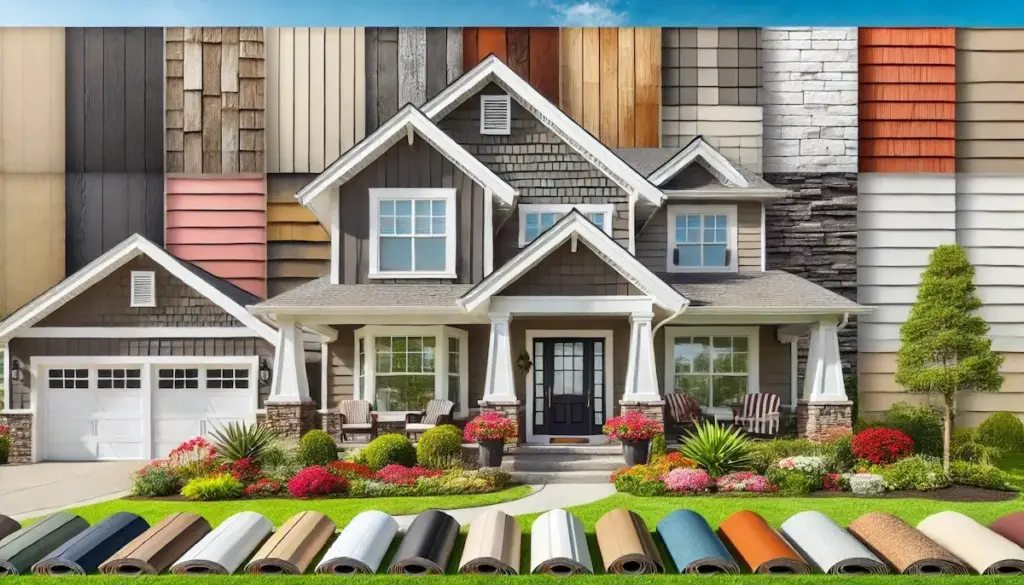
Siding, often called exterior cladding, is the protective skin that shields your house from wind, rain, UV rays, and pests. Beyond weather resistance, the right siding enhances energy efficiency by adding a layer of insulation, reduces maintenance needs, and dramatically improves curb appeal. In 2026, manufacturers have integrated advanced technologies such as moisture‑resistant cores and reflective pigments, making siding a critical factor in overall home performance.
Top Siding Materials in 2026
Fiber Cement Siding
Fiber cement combines cement, sand, and cellulose fibers to create a material that mimics wood grain without the susceptibility to rot or insects. According to the National Renewable Energy Laboratory (NREL) 2025 report, fiber cement offers a 15‑20% improvement in thermal resistance compared to traditional wood lap siding. Its durability makes it popular in coastal and wildfire‑prone regions.
Vinyl Siding
Vinyl remains the most cost‑effective option, with an average price of $3‑$5 per square foot installed (HomeAdvisor, 2026). Modern vinyl panels feature reinforced cores and UV‑blocking additives, reducing fading and warping. While not as sturdy as fiber cement, vinyl’s low maintenance—no painting required—keeps it a favorite for budget‑conscious homeowners.
Hardie Board (Fiber Cement)
Hardie Board, a leading brand of fiber cement, offers specific lines for high‑moisture environments. Its Hardie Board Siding 2026 guide notes that the product’s patented moisture‑control system can lower indoor humidity levels by up to 10% when installed with proper flashing. This translates into noticeable energy savings in humid climates.
Aluminum Siding
Aluminum provides a sleek, metallic look with excellent fire resistance. The Aluminum Siding 2026 guide highlights its 99% recyclability, making it a green choice for eco‑focused projects. Its main drawback is susceptibility to denting, which can be mitigated with thicker gauge panels.
LP SmartSide
LP SmartSide blends engineered wood with a proprietary polymer coating, delivering the warmth of wood with enhanced durability. The 2026 review shows a 25‑year warranty against moisture damage, positioning it between vinyl’s affordability and fiber cement’s robustness.
Stone Veneer
For homeowners seeking a high‑end look without the weight of natural stone, stone veneer offers a lightweight, textured façade. Installation requires a skilled crew, but the payoff is a timeless, upscale appearance that can increase property value by up to 8% (National Association of Home Builders, 2025).
Choosing the Right Siding for Your Home
Start by evaluating three core criteria: climate compatibility, budget, and design goals.
- Climate compatibility: In humid or rainy regions, prioritize moisture‑resistant options like fiber cement or Hardie Board. In fire‑prone zones, aluminum or brick‑look fiber cement is advisable.
- Budget: Vinyl provides the lowest upfront cost, while stone veneer and high‑grade fiber cement carry higher material and labor expenses.
- Design goals: If you love the authentic look of wood without the upkeep, LP SmartSide or engineered wood offers a balance. For ultra‑modern aesthetics, consider sleek aluminum or painted fiber cement.
Consult the Find Top Siding Companies Near Me in 2026 guide to locate contractors experienced in your chosen material, ensuring proper installation techniques are followed.
Cost Breakdown and Return on Investment (ROI)
Understanding the total cost of siding involves material price, labor, removal of old siding, and any necessary prep work (e.g., insulation, flashing). Below is a 2026 snapshot:
| Material | Average Cost (per sq. ft.) | Typical ROI |
|---|---|---|
| Vinyl | $3‑$5 | 70‑80% |
| Fiber Cement (incl. Hardie Board) | $6‑$9 | 85‑95% |
| Aluminum | $7‑$10 | 80‑90% |
| LP SmartSide | $5‑$8 | 78‑88% |
| Stone Veneer | $12‑$20 | 90‑110% |
The higher ROI for fiber cement and stone veneer stems from their longevity (often 50+ years) and the premium they add to market listings. Energy savings from improved insulation can further offset initial expenses, especially in regions with extreme temperatures.
Installation: DIY vs. Professional
While some homeowners tackle vinyl replacement as a weekend project, most siding types demand professional expertise. Improper installation can lead to moisture infiltration, warping, or premature failure. Key steps a professional follows include:
- Removing existing siding and inspecting the sheathing for damage.
- Installing a weather‑resistant barrier (WRB) such as house wrap.
- Ensuring proper flashing around windows, doors, and rooflines.
- Using hidden fasteners or nails appropriate to the material.
- Applying sealants or caulking where required to maintain a watertight envelope.
If you have experience with carpentry and are confident in handling WRBs and flashing, a vinyl or aluminum DIY project can save $1‑$2 per square foot. However, for fiber cement, Hardie Board, or stone veneer, hiring a certified installer is strongly recommended.
Common Mistakes and How to Avoid Them
Even seasoned homeowners can stumble. Here are frequent errors and quick fixes:
- Skipping the WRB: A missing house wrap compromises moisture control. Always install a WRB before siding.
- Improper nail spacing: Over‑driving nails can crush panels, while under‑driving leads to loose sections. Follow manufacturer‑specified nail patterns.
- Neglecting expansion gaps: Materials like vinyl expand in heat. Leave the recommended 1/8‑inch gap between panels to prevent buckling.
- Choosing the wrong paint: If you plan to paint fiber cement, select a breathable, acrylic‑based paint to avoid trapping moisture.
- Underestimating labor: Removal of old siding and disposal can add 20‑30% to the total budget. Include this in your estimate.
Frequently Asked Questions
How long does siding typically last?
Vinyl lasts 20‑30 years, fiber cement 50‑60 years, and aluminum 40‑50 years when properly maintained. Stone veneer can exceed a century.
Does siding affect home energy bills?
Yes. Adding siding with an insulated backing (e.g., insulated vinyl or fiber cement with rigid foam) can improve R‑value by 0.5‑1.0, reducing heating and cooling costs by up to 12% (DOE, 2026).
Can I paint fiber cement siding?
Absolutely. Use a high‑quality, acrylic exterior paint and allow the surface to cure for at least 30 days before application.
Is siding recyclable?
Aluminum and many vinyl products are recyclable. Fiber cement is less commonly recycled but can be repurposed in construction aggregates.
What maintenance does siding require?
Vinyl needs occasional power washing; fiber cement benefits from annual inspections of caulk and paint touch‑ups; aluminum may require polishing of dents; stone veneer typically needs only occasional cleaning.
Future Trends Shaping Home Siding
Looking ahead, 2026 introduces three notable innovations:
- Smart Siding: Integrated sensors monitor moisture levels and temperature, alerting owners to potential leaks via smartphone apps.
- Eco‑Focused Materials: Manufacturers are increasing the use of recycled content—up to 60% in some vinyl blends—meeting LEED credits for residential projects.
- Custom Textures via 3‑D Printing: Early adopters can order panels with unique patterns that mimic brick, wood, or stone, expanding design possibilities without added labor.
Embracing these trends not only future‑proofs your home but also aligns with sustainability goals increasingly demanded by buyers.
Final Thoughts
Choosing the right home siding is a blend of science, style, and budget. By evaluating climate needs, understanding material performance, and partnering with qualified contractors, you can protect your investment while enhancing visual appeal. Whether you opt for low‑maintenance vinyl, durable fiber cement, or an upscale stone veneer, the right decision today will pay dividends in energy savings, reduced upkeep, and higher resale value for years to come.