To create an office interior design that boosts productivity, reflects brand identity, and stays within budget, start by mapping the workflow of every department and then choose finishes, furniture, and lighting that support those processes. A well‑planned layout reduces wasted steps, improves employee wellbeing, and signals professionalism to clients—exactly why businesses are searching for the latest design strategies today.
Core Principles of Modern Office Interior Design
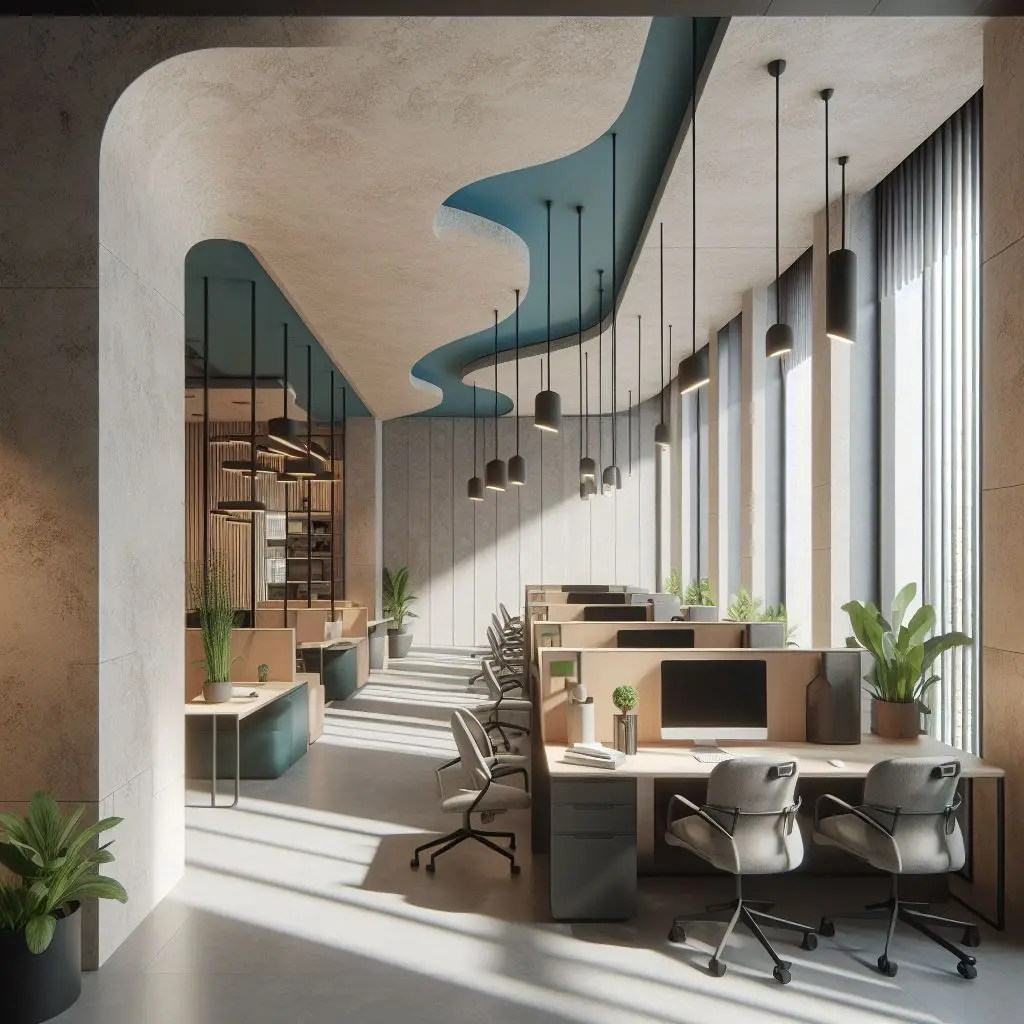
In 2026, three pillars dominate successful office makeovers: functionality, flexibility, and feel. Functionality means arranging workstations so that essential tools are within arm’s reach, a concept known as workspace ergonomics. Flexibility is achieved through modular furniture that can be reconfigured as teams grow or project needs shift. Feel encompasses everything from color psychology in offices to biophilic design elements that bring nature indoors. When these pillars align, the space not only looks polished but also drives measurable performance gains.
Ergonomic Layouts Reduce Fatigue
According to the Occupational Safety and Health Administration (OSHA) 2025 report, offices that implement ergonomic desk heights and adjustable chairs see a 23% drop in musculoskeletal complaints. Positioning monitors at eye level, providing adequate legroom, and incorporating standing desks where appropriate are low‑cost adjustments that yield high returns.
Modular Furniture Enables Agile Workflows
Companies that adopt modular systems can re‑arrange their floor plan in under a day, saving both time and money. Brands such as Steelcase and Haworth released 2026 collections featuring plug‑and‑play partitions, mobile whiteboards, and stackable seating that blend seamlessly with a variety of design aesthetics—from the sleek lines of an open‑plan office to the warm tones of a collaborative lounge.
Biophilic Design and Color Psychology
Integrating live plants, natural wood finishes, and daylight‑maximising glazing not only improves air quality but also lifts mood. A 2026 survey by the International Interior Design Association (IIDA) found that employees in biophilic workplaces reported a 15% increase in satisfaction scores. Meanwhile, strategic use of color—such as calming blues in focus zones or energising yellows in creative areas—can influence cognitive performance, as highlighted in the Journal of Environmental Psychology (2025).
Real‑World Case Study: Transforming a Mid‑Size Tech Hub
When a 150‑person software firm in Austin decided to revamp its headquarters, the design team followed the three‑pillar framework. First, they mapped the development cycle and placed developers near a quiet “focus zone” with acoustic panels and adjustable lighting. Next, they introduced modular pods that could be combined for sprint planning or split for one‑on‑one meetings. Finally, they installed a living wall of vertical greenery and painted the brainstorming area in a vibrant orange to stimulate creativity.
The results were striking: project turnaround time dropped by 12%, employee turnover fell by 8%, and the firm earned a “Best Place to Work” award from TechTimes in early 2026. The case underscores how strategic interior design translates directly into business metrics.
Data‑Driven Insights for 2026 Office Design
- Space utilization: The Global Workspace Analytics 2026 report shows that the average office now uses 65% of its floor area, up from 55% in 2020, thanks to flexible layouts.
- Energy savings: Offices that adopt LED lighting combined with daylight harvesting see a 30% reduction in electricity use, according to the U.S. Department of Energy (DOE) 2025 findings.
- Well‑being ROI: A Harvard Business Review study (2025) links a 10% increase in employee wellbeing to a 3% rise in revenue per employee.
Step‑by‑Step Guide to Designing Your Office Interior
- Conduct a Needs Assessment – Interview team leaders, observe daily routines, and record bottlenecks. Create a flow diagram that highlights high‑traffic zones.
- Choose a Design Theme – Decide whether an open‑plan layout, a hybrid model, or a series of private pods best supports your workflow. Reference industry trends such as “industrial‑chic” or “wellness‑focused” aesthetics.
- Select Materials Wisely – For durable wall finishes, consider fiber cement siding, which offers fire resistance and a sleek look; see our Fiber Cement Siding 2026: Ultimate Guide for performance details. Metal siding can add an industrial edge, as discussed in Metal Siding 2026: Complete Guide.
- Plan Lighting and Acoustics – Combine ambient LED fixtures with task lighting. Use acoustic panels or ceiling clouds to control noise, especially in open‑plan areas.
- Incorporate Biophilic Elements – Add potted plants, green walls, or natural wood finishes. Ensure proper maintenance plans to keep them thriving.
- Finalize Furniture Layout – Use modular desks and collaborative furniture that can be easily re‑configured. Ensure each piece meets ergonomic standards (e.g., adjustable height, lumbar support).
- Implement Smart Controls – Integrate IoT sensors for lighting, temperature, and occupancy to optimize energy use and comfort.
- Review and Iterate – After occupancy, gather feedback and adjust layout or furnishings as needed.
Common Mistakes to Avoid
- Over‑crowding the Floor Plan – Packing too many desks leads to reduced circulation and increased stress.
- Neglecting Acoustics – Open‑plan offices without proper sound absorption can cause distraction and lower productivity.
- Choosing Aesthetic Over Function – Trendy finishes that are hard to clean or maintain can quickly become liabilities.
- Ignoring Future Growth – Designing a space that cannot scale forces costly renovations later.
- Skipping Professional Consultation – DIY designs often miss critical compliance issues such as fire codes or ADA accessibility.
FAQ About Office Interior Design
What is the ideal square footage per employee in 2026?
The International Facility Management Association (IFMA) recommends 150–180 sq ft per employee for hybrid models, balancing private workstations with collaborative zones.
How can I incorporate sustainable materials without overspending?
Look for recycled metal panels, reclaimed wood, and low‑VOC paints. Many suppliers offer bulk discounts, and tax incentives for green building upgrades can offset costs.
Is an open‑plan layout still relevant?
Yes, but it should be blended with quiet zones. A hybrid approach that offers both collaboration spaces and focus rooms meets diverse work styles.
What budget range should I expect for a mid‑size office remodel?
Based on the 2025 Commercial Real Estate Outlook, a typical remodel costs between $75 and $150 per square foot, depending on material quality and technology integration.
How do I ensure the design aligns with brand identity?
Incorporate brand colors, logo motifs, and signature materials into key touchpoints such as reception walls, meeting rooms, and employee lounge areas. Consistency reinforces brand perception both internally and for visitors.
Looking Ahead: Trends Shaping Office Interiors in 2027 and Beyond
Predictive analytics suggest three emerging trends: (1) adaptive lighting that changes hue based on time of day, (2) AI‑driven space utilization dashboards, and (3) increased use of hybrid wall systems that combine acoustic performance with decorative finishes like stone veneer. For deeper insights into wall materials, explore Stone Veneer 2026: Complete Guide, which outlines how these panels can double as acoustic absorbers.
By staying attuned to these developments, businesses can future‑proof their workplaces, ensuring that the office remains a catalyst for creativity, collaboration, and growth.